Ballista: A Bold Display Font for High-Impact Visual Design
In the realm of graphic design, typography serves as the primary vehicle for communication. While body text requires readability and neutrality, display fonts are tasked with capturing attention and establishing tone immediately. Ballista is a striking font family designed specifically for this purpose. It offers a bold, geometric aesthetic that commands presence, making it a compelling choice for designers seeking to create memorable visual identities. This article evaluates the characteristics of Ballista, explores its practical applications, and provides guidance on when to utilize it versus when alternative typefaces might better serve your project goals.
Understanding the Ballista Aesthetic
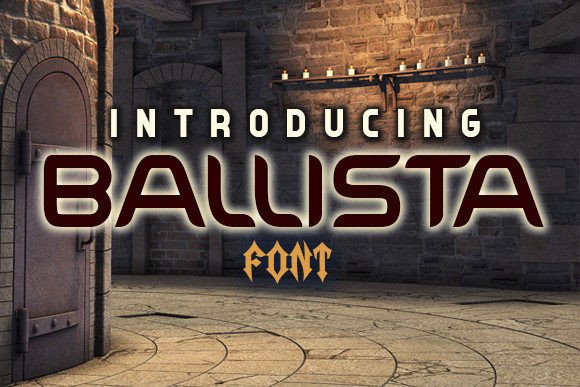
Ballista is characterized by its heavy weight, clean lines, and modern geometric structure. Unlike serif fonts that evoke tradition or script fonts that suggest elegance, Ballista falls squarely into the category of sans-serif display typography. Its letterforms are constructed with precision, featuring uniform stroke widths and sharp terminals that contribute to a sense of stability and strength. The name itself implies power and projection, qualities that are visually reflected in the thick, assertive strokes of the characters.
The font family typically includes various weights, allowing for hierarchy within a design, though its primary strength lies in its bolder iterations. These heavier weights are optimized for large sizes, where the details of the geometry can be fully appreciated. At smaller sizes, the tight spacing and heavy strokes may reduce legibility, a common tradeoff for display fonts of this nature. Understanding this limitation is crucial for effective implementation.
Why Designers Choose Ballista
The decision to select a specific typeface often hinges on the emotional response it elicits from the viewer. Ballista is frequently chosen for projects that require a sense of urgency, importance, or modernity. Its high contrast against backgrounds makes it ideal for environments where quick comprehension is necessary. Here are several reasons why designers integrate Ballista into their workflows:
- Immediate Visual Impact: The boldness of Ballista ensures that headlines stand out, drawing the eye before any other element on the page.
- Modern Appeal: Its geometric construction aligns well with contemporary design trends that favor minimalism and clarity.
- Versatility in Layouts: Despite its strong personality, the neutral sans-serif structure allows it to pair reasonably well with a variety of secondary fonts.
- Brand Authority: The solid, unwavering appearance of the letters can convey reliability and strength, beneficial for corporate or industrial branding.
Ideal Use Cases for Ballista
To maximize the effectiveness of Ballista, it is essential to deploy it in contexts where its strengths are amplified. The font excels in short-form communication where space is limited, but impact is paramount. Consider the following scenarios where Ballista is a strong fit:
Posters and Event Flyers
Posters rely on a clear hierarchy to communicate information quickly to passersby. Ballista is exceptionally suited for main headlines on posters, whether for concerts, sports events, or political campaigns. Its ability to remain legible from a distance makes it a practical choice for large-format printing. When used on flyers, it helps distinguish key information, such as dates and titles, from supporting details.
Digital Banners and Web Headers
In digital marketing, banner ads have mere seconds to capture user attention. Ballista’s distinct shapes cut through visual clutter on busy web pages. It is particularly effective for call-to-action buttons or promotional headers where brevity and boldness drive clicks. However, designers must ensure sufficient contrast between the text and the background to maintain accessibility standards.
Logo Design and Branding
For brands seeking a modern, robust identity, Ballista can serve as an excellent foundation for logotypes. Its geometric consistency allows for easy scaling across different media, from business cards to billboards. Industries such as technology, fitness, construction, and automotive often find that the structural integrity of Ballista aligns with their brand values.
Considerations and Tradeoffs
While Ballista offers significant advantages for display purposes, it is not a universal solution. Evaluating its limitations is just as important as recognizing its benefits. One primary consideration is legibility at small sizes. Due to its heavy weight and potentially tight kerning, Ballista can become difficult to read when used for body copy or lengthy paragraphs. It is strictly a display font and should not be forced into roles intended for text-heavy content.
Another factor is overuse. Because Ballista is inherently loud, using it excessively can lead to visual fatigue. If every element on a page shouts for attention, nothing stands out. Effective design requires balance; therefore, Ballista should be used sparingly, reserved for the most critical messages. Additionally, its modern, geometric style may clash with brands aiming for a vintage, organic, or handcrafted aesthetic. In such cases, a serif or script font would be more appropriate.
Pairing Ballista with Other Typefaces
To create a harmonious design, Ballista should be paired with complementary fonts that offer contrast. Since Ballista is heavy and geometric, it pairs well with lighter, more neutral sans-serifs for body text. Fonts like Roboto, Open Sans, or Lato provide the necessary readability without competing for attention. Alternatively, pairing Ballista with a classic serif font can create a sophisticated juxtaposition between modern strength and traditional elegance, though this requires careful adjustment of spacing and size to ensure visual cohesion.
Making the Decision: Is Ballista Right for Your Project?
Selecting the right typography involves aligning the font’s characteristics with your project’s objectives. Ask yourself the following questions to determine if Ballista is the appropriate choice:
- What is the primary goal of the design? If the goal is to grab attention quickly and convey strength or modernity, Ballista is a strong candidate. If the goal is to evoke warmth or tradition, look elsewhere.
- How much text needs to be displayed? If you have only a few words or a short headline, Ballista will shine. If you need to present paragraphs of information, reserve Ballista for the title only and choose a different font for the body.
- Where will the design be viewed? For large formats like banners and posters, Ballista’s details will be visible and impactful. For small mobile screens or printed brochures with dense text, use it cautiously to avoid clutter.
- Does it align with brand identity? Ensure that the bold, geometric nature of Ballista reflects the personality of the brand or event it represents.
Conclusion
Ballista is a powerful tool in a designer’s typographic arsenal. Its striking appearance and geometric precision make it an excellent choice for posters, flyers, and banners where immediate impact is required. By understanding its strengths and respecting its limitations, designers can leverage Ballista to create compelling, professional-grade visuals. However, like any design element, its effectiveness depends on context and restraint. When used thoughtfully, Ballista elevates designs, ensuring that the message is not only seen but felt. For those evaluating font options, considering the specific demands of the project against the characteristics of Ballista will lead to more informed and successful design decisions.