Boogie Down: Bringing 70s Retro Flair to Modern Design
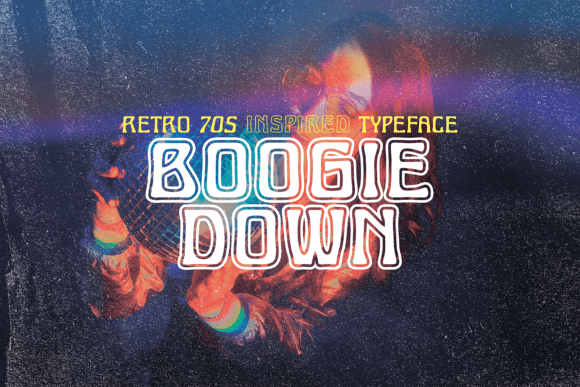
There is a specific kind of energy that defined the 1970s. It was loud, colorful, unapologetically bold, and deeply rhythmic. Capturing that vibe in modern digital design can be tricky without falling into cliché or looking dated in the wrong way. This is where Boogie Down enters the conversation. As a super fun 70s retro all-caps font, it does more than just mimic an era; it injects a sense of playful nostalgia into your work. Whether you are designing a festival poster, branding a vintage-inspired coffee shop, or creating social media graphics that need to stop the scroll, this display font offers a unique texture that standard sans-serifs simply cannot match.
The Psychology of Retro Typography
Why do we keep coming back to the aesthetics of the seventies? For adults aged 20 to 50, this era represents a mix of cultural heritage and aesthetic aspiration. The 70s were about expression, freedom, and breaking rigid structures. Boogie Down embodies this spirit. Its masterfully designed curves and thick strokes are not just decorative; they communicate warmth and approachability. When you use a display font like this, you are signaling to your audience that your brand or project is not taking itself too seriously. It invites engagement through joy.
In a digital landscape saturated with clean, minimalist, and often sterile typography, a font with character stands out. Boogie Down delivers an incredible display presence because it feels handcrafted. It has the potential to bring each of your creative ideas to the highest level by adding that special retro touch that feels both familiar and fresh. It is not just about reading text; it is about feeling the rhythm of the letters.
Real-World Applications for Brands and Creators
Understanding where to apply this typeface is key to maximizing its impact. Because it is an all-caps font with significant visual weight, it is best suited for headlines, logos, and short bursts of text rather than long-form body copy. Here is how different industries and creators can leverage its strengths.
Hospitality and Food Industry
The food and beverage sector thrives on atmosphere. Imagine a craft brewery launching a new IPA with citrus notes. A label using Boogie Down immediately suggests a fun, laid-back experience. Similarly, independent coffee shops that focus on community and comfort can use this font for their window signage or menu boards. It pairs exceptionally well with warm color palettes—mustard yellows, burnt oranges, and earthy browns. The font’s playful nature makes the brand feel accessible, encouraging customers to step inside and stay awhile.
Event Promotion and Entertainment
If you are promoting a music festival, a disco-themed party, or a local art fair, your typography needs to match the energy of the event. Boogie Down is inherently musical. Its name alone suggests movement and rhythm. Using it on flyers, ticket stubs, or Instagram stories creates an instant association with fun and celebration. For DJs and musicians, this font can serve as a cornerstone of their visual identity, appearing on album covers, merchandise, and stage backdrops. It communicates that the event will be high-energy and memorable.
Fashion and Lifestyle Retail
Vintage fashion is not just a trend; it is a sustained market. Boutiques selling retro clothing, vinyl records, or mid-century modern furniture need branding that reflects their inventory. Boogie Down acts as a visual shorthand for "vintage cool." When used in lookbooks or online store banners, it helps curate a specific lifestyle image. It appeals to consumers who value authenticity and style. By integrating this font into packaging or hang tags, retailers can enhance the unboxing experience, making the product feel like a curated piece of history rather than just a commodity.
Design Considerations and Best Practices
While Boogie Down is a powerful tool, it requires thoughtful application. Because it is a display font, it demands space. Cramming it into small areas reduces its legibility and diminishes its impact. Here are some practical considerations to ensure you get the most out of this typeface.
- Pairing is Crucial: Since Boogie Down is bold and decorative, pair it with a simple, clean sans-serif or a neutral serif for body text. This contrast ensures that your main message pops while the supporting information remains easy to read. Avoid pairing it with other decorative fonts, as this can create visual clutter.
- Color Matters: The 70s aesthetic is defined by its color theory. To truly let this font shine, experiment with period-accurate color combinations. Think avocado green, harvest gold, and teal. However, don’t be afraid to modernize it. Placing Boogie Down in bright neon against a dark background can create a striking, contemporary retro look that appeals to younger audiences.
- Spacing and Kerning: All-caps fonts often require adjustments to letter spacing. Give Boogie Down room to breathe. Tight kerning can make the thick strokes collide, reducing readability. Slightly increased tracking can enhance its geometric qualities and make the text feel more open and inviting.
- Contextual Appropriateness: This font is playful and nostalgic. It may not be suitable for corporate legal documents, medical websites, or serious financial institutions. Know your audience. If the goal is trust, stability, and seriousness, look elsewhere. If the goal is engagement, creativity, and personality, Boogie Down is an excellent choice.
Elevating Digital Content
In the realm of digital marketing, attention spans are short. Your visuals have milliseconds to make an impression. Boogie Down is optimized for this environment. Its distinct shapes are recognizable even at smaller sizes on mobile screens, provided they are used for headlines. Social media managers can use it to create quote graphics, announcement posts, or story highlights that stand out in a feed dominated by generic templates.
For web designers, incorporating this font into hero sections or call-to-action buttons can increase click-through rates by adding a element of surprise and delight. It breaks the monotony of standard web typography. However, ensure that you are using web-safe formats or proper @font-face implementations to maintain load speeds and visual consistency across devices.
Why It Becomes a Creative Favorite
What makes Boogie Down masterfully designed is its balance between novelty and usability. Many retro fonts are gimmicky, sacrificing legibility for style. This font strikes a harmony. It is distinctive enough to be memorable but structured enough to be functional. For designers, having a reliable display font that can carry a entire visual concept is invaluable. It reduces the need for excessive graphical elements because the typography itself becomes the graphic.
Moreover, its versatility allows it to adapt to various sub-genres of retro design. It works for psychedelic 60s/70s crossovers, sleek 70s minimalism, and even funky 80s transitions. This flexibility means it can remain a staple in your toolkit for years, adapting to different projects and client needs. It is not just a font; it is a design solution for anyone looking to inject personality into their work.
Ultimately, choosing Boogie Down is a choice to embrace joy in design. It reminds us that communication does not always have to be efficient and cold; it can be warm, rhythmic, and human. By integrating this super fun 70s retro all-caps font into your projects, you are not just displaying text; you are setting a mood, telling a story, and connecting with your audience on an emotional level. Whether you are a seasoned graphic designer or a small business owner handling your own marketing, this font offers the tools to elevate your visual identity with confidence and style.