Great Season: Whimsical Handwritten Font
Typography is often the silent narrator of design. It sets the tone before a single word is read, conveying emotion, authority, or playfulness through shape and flow. In a digital landscape saturated with clean sans-serifs and rigid geometric types, there is a growing appetite for lettering that feels human. This is where Great Season enters the creative conversation. As a whimsical and exquisite handwritten font, it offers a bridge between professional polish and organic charm. Its meticulous calligraphy features allow it to stand out without overwhelming the viewer, making it an ideal choice for designers who want their work to feel personal and alive.
The appeal of a font like Great Season lies in its versatility. While many handwritten fonts struggle to maintain legibility or consistency, this typeface balances artistic flair with functional clarity. It is not just about aesthetics; it is about communication. Whether you are a small business owner crafting a brand identity, a marketer designing social media assets, or an educator creating engaging materials, understanding how to leverage this font can elevate your projects from standard to memorable.
The Character of Great Season
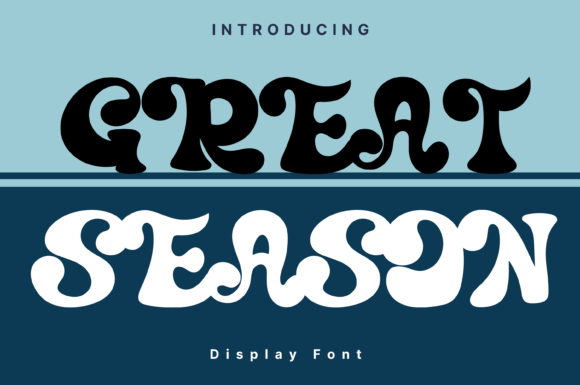
To use Great Season effectively, one must first understand its personality. It is described as whimsical, which suggests a sense of lightness and joy, yet it is also exquisite, implying a high level of craftsmanship. The strokes are not random scribbles; they are deliberate, mimicking the pressure and flow of a real pen on paper. This duality makes it unique. It carries the warmth of a personal note but retains the structure needed for professional application.
The meticulous calligraphy features mean that each character has been refined to ensure smooth connections and balanced spacing. This attention to detail is crucial when matching the font to various projects. A poorly constructed script can look messy at smaller sizes or on low-resolution screens. Great Season, however, holds its integrity across different mediums. For creators, this reliability means less time troubleshooting layout issues and more time focusing on the overall creative vision.
Practical Applications for Designers and Marketers
For graphic designers and marketers, the challenge is often finding a typeface that captures attention without sacrificing readability. Great Season excels in contexts where emotional connection is key. Consider the following applications where this font can make a significant impact:
- Brand Identity and Logos: For businesses in the lifestyle, wellness, or artisanal sectors, a logo using Great Season can convey approachability and craftsmanship. It works particularly well for bakeries, florists, boutique hotels, and handmade goods stores.
- Packaging Design: Product packaging benefits from typography that tells a story. Using Great Season for product names or taglines on labels adds a premium, handcrafted feel that distinguishes items on crowded shelves.
- Social Media Graphics: In the fast-paced world of Instagram and Pinterest, visuals must stop the scroll. Quotes, announcements, and promotional posts gain warmth and personality when paired with this handwritten style.
- Wedding and Event Stationery: The elegant yet playful nature of the font makes it a natural fit for invitations, save-the-dates, and menu cards. It strikes the right balance between formal elegance and celebratory joy.
When integrating Great Season into these projects, context is everything. It should not be used for long bodies of text, as script fonts can cause eye fatigue. Instead, use it for headlines, short phrases, or accent words. Pair it with a clean, neutral sans-serif or serif font for body copy to create a harmonious contrast. This hierarchy ensures that the whimsical elements highlight the message rather than obscuring it.
Empowering Entrepreneurs and Small Business Owners
Entrepreneurs often wear many hats, including that of the designer. For small business owners without access to large design teams, having access to a versatile font like Great Season is a valuable asset. It allows for the creation of consistent marketing materials that look professional without requiring advanced design skills.
Consider a local coffee shop launching a new seasonal blend. Using Great Season on chalkboard signs, window decals, and loyalty cards creates a cohesive brand experience. The font’s handwritten quality suggests that the coffee is crafted with care, reinforcing the value proposition of quality and attention to detail. Similarly, freelancers and consultants can use this font in their proposals or presentations to add a touch of personality, making their documents feel less corporate and more collaborative.
The key for non-designers is simplicity. Stick to using Great Season for titles and short statements. Keep the layout clean with ample white space. This prevents the design from feeling cluttered and ensures that the beauty of the typography can shine. By limiting its use to key elements, you maintain its impact and avoid visual noise.
Creative Ideas for Educators and Publishers
Educators and publishers are constantly seeking ways to make content more engaging. Textbooks and worksheets can often feel sterile, but introducing a humanistic font can change the learning environment. Great Season can be used to highlight key concepts, create inviting chapter headers, or add warmth to motivational quotes in educational materials.
For publishers, especially those working on self-help books, journals, or poetry collections, the font offers a way to connect with readers on an intimate level. It mimics the act of writing by hand, which can evoke feelings of nostalgia and sincerity. In a journal, for instance, using Great Season for prompts or section dividers can encourage users to reflect and write more freely. It transforms the page from a static surface into an interactive space.
However, accessibility remains a priority. When using script fonts in educational or published materials, ensure high contrast between the text and background. Avoid placing the font over busy images or patterns. The goal is to enhance comprehension and engagement, not to create barriers for readers with visual impairments or dyslexia.
Tips for Consistent and Effective Use
To get the most out of Great Season, consider these practical guidelines for maintaining consistency and originality in your work:
- Respect the Flow: Handwritten fonts rely on the connection between letters. Avoid breaking words unnecessarily or adjusting kerning too aggressively, as this can disrupt the natural rhythm of the script.
- Size Matters: This font performs best at larger sizes. Ensure that any text set in Great Season is large enough to be easily read. If it needs to be small, simplify the surrounding design to reduce competition.
- Color Psychology: The color you choose for Great Season will influence its perception. Soft pastels can enhance its whimsical nature, while deep navy or black can emphasize its exquisite, calligraphic roots. Experiment with colors that align with your brand’s emotional goals.
- Pairing Wisely: Choose a secondary font that complements rather than competes. A simple geometric sans-serif often works best, providing a modern anchor to the organic curves of Great Season.
By treating Great Season as a strategic design element rather than just a decorative addition, you can create work that is both visually stunning and functionally effective. It invites viewers to pause and appreciate the human touch in a digital world. Whether you are designing a logo, a social media post, or a classroom resource, this font offers the tools to bring your creative ideas to life with clarity and charm.
Ultimately, the power of Great Season lies in its ability to humanize design. It reminds us that behind every brand, message, or lesson, there is a person connecting with another person. By incorporating this whimsical and exquisite typeface into your toolkit, you are not just choosing a font; you are choosing a way to communicate with warmth, authenticity, and style. Add it to your creative repertoire, and watch how it transforms ordinary projects into extraordinary experiences.