Kids Playtime: Bringing Joy and Clarity to Youth-Centric Design
In the vibrant world of graphic design, typography serves as more than just a vessel for information; it is the emotional anchor of a visual narrative. When designing for younger audiences, the stakes are uniquely high. The typeface must not only be legible but also inviting, energetic, and reflective of the innocence and curiosity inherent in childhood. This is where Kids Playtime emerges as a compelling solution. As a fun display font, it bridges the gap between professional readability and playful aesthetics, making it an indispensable tool for creators targeting children and educational sectors.
Understanding the nuances of such a specialized typeface requires looking beyond its surface-level charm. It involves recognizing how specific design choices influence user engagement, learning outcomes, and brand perception. This article explores the characteristics, applications, and strategic value of Kids Playtime, offering a comprehensive guide for designers, educators, and business owners alike.
The Anatomy of Playful Typography
To appreciate why Kids Playtime stands out, one must first understand the psychology of playful typography. Unlike standard serif or sans-serif fonts designed for dense textual consumption, display fonts like this are crafted to capture attention immediately. They often feature irregular baselines, varied stroke widths, and whimsical terminals that mimic hand-drawn lettering. These elements signal to the viewer—particularly a child—that the content is approachable and safe.
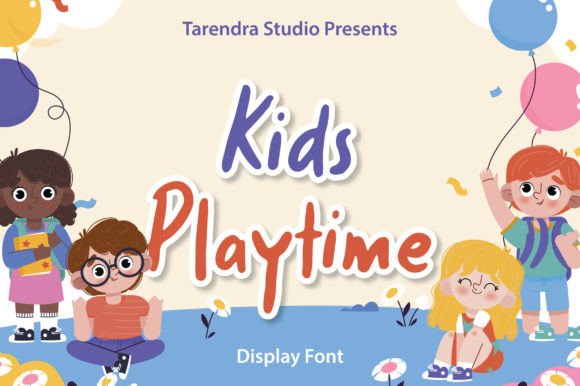
Kids Playtime embodies these principles with a "fresh" aesthetic. Its letters are not rigid; they bounce with a subtle energy that suggests movement and fun. This is crucial because children are naturally drawn to dynamic visuals. A static, cold typeface can create a psychological barrier, making educational materials feel like chores rather than opportunities for discovery. By contrast, this font invites interaction. It transforms a simple worksheet into an activity and a classroom poster into a focal point of interest.
Key Characteristics and Visual Appeal
The visual identity of Kids Playtime is defined by several distinct features that contribute to its effectiveness:
- Rounded Edges: Sharp corners can appear aggressive or overly formal. The softened edges in this font create a friendly, non-threatening appearance.
- Consistent Weight: Despite its playful nature, the font maintains a consistent stroke weight, ensuring that it remains legible even at smaller sizes or when printed on lower-quality paper.
- Distinct Letterforms: Characters like 'a', 'g', and 't' are designed to match the handwritten styles often taught in early education, reducing cognitive load for young readers who are still mastering letter recognition.
- Versatile Personality: While undeniably cheerful, it avoids being overly cartoonish. This balance allows it to remain professional enough for school newsletters while still being engaging for birthday invitations.
Practical Applications Across Industries
The utility of Kids Playtime extends far beyond simple decoration. Its versatility makes it suitable for a wide array of projects where the target demographic includes children, parents, or educators. Below are some real-world scenarios where this font can significantly enhance communication.
Educational Materials and E-Learning
In the classroom, clarity is king. However, clarity does not have to mean boredom. Teachers and curriculum developers can use Kids Playtime for headings in worksheets, flashcards, and presentation slides. Because the font mimics natural handwriting, it helps reinforce letter formation for students who are learning to write. Furthermore, in digital e-learning platforms, using a friendly typeface can reduce anxiety associated with testing or new subjects, creating a more supportive learning environment.
Children’s Publishing and Storytelling
For self-publishing authors and illustrators, typography is a critical component of book design. Kids Playtime is ideal for title pages, chapter headers, and speech bubbles in graphic novels for early readers. Its playful nature complements illustrations without overpowering them. When used in moderation, it adds a layer of personality to the text, helping to establish the tone of the story whether it is adventurous, humorous, or gentle.
Event Planning and Community Engagement
Community centers, libraries, and party planners frequently need to create flyers, banners, and invitations for youth-oriented events. A font like Kids Playtime instantly communicates the nature of the event. Parents scanning a community board are more likely to notice a flyer with warm, inviting typography than one with sterile, corporate fonts. It signals that the event is family-friendly and focused on enjoyment.
- Birthday Invitations: Create personalized, high-impact invites that set a celebratory tone.
- School Fundraisers: Design posters that feel community-driven and approachable.
- Workshop Sign-ups: Make registration forms and promotional emails feel less administrative and more exciting.
Strategic Considerations for Designers
While Kids Playtime is a powerful tool, effective design requires restraint and context. Using a display font incorrectly can undermine readability and professionalism. Here are some guidelines to ensure you get the most value from this typeface.
Balancing Fun with Functionality
Display fonts are best used for short bursts of text—headlines, titles, and call-outs. They are generally not suitable for long paragraphs of body text. The unique shapes that make Kids Playtime charming can become fatiguing to read in large blocks. A best practice is to pair it with a clean, neutral sans-serif font for the body copy. This combination provides visual hierarchy: the playful font draws the eye, while the neutral font delivers the detailed information comfortably.
Color and Contrast
The effectiveness of any typography is heavily influenced by color. Given the youthful nature of Kids Playtime, it pairs well with bright, primary colors or soft pastels. However, accessibility must remain a priority. Ensure there is sufficient contrast between the text and the background. For children with visual impairments or dyslexia, high contrast and adequate spacing are essential. Avoid placing this font over busy patterns or images that might interfere with letter recognition.
Digital vs. Print Performance
When using Kids Playtime in digital formats, such as websites or apps, consider screen resolution and loading times. Ensure the font file is optimized for web use to prevent layout shifts. In print, pay attention to ink coverage. Because display fonts often have thicker strokes, they can appear heavier in print than on screen. It is advisable to do a test print to check for ink bleed, especially if using porous paper stocks common in school settings.
Evaluating Suitability for Your Project
Before committing to Kids Playtime for a major project, ask yourself a few critical questions to ensure it aligns with your goals:
- Who is the primary audience? If the end-user is a child under 12, this font is likely an excellent fit. If the audience is primarily adults (such as in a parenting blog), it might be too informal unless used sparingly for accent.
- What is the medium? For large-format prints like banners, the details of the font will shine. For small mobile screens, ensure the size is large enough to maintain legibility.
- What is the brand voice? Does your brand or project aim to be seen as authoritative and serious, or approachable and fun? Kids Playtime firmly lands in the latter category.
Conclusion: The Value of Intentional Design
Incorporating Kids Playtime into your design toolkit is about more than just choosing a pretty font. It is a strategic decision to prioritize user experience and emotional connection. By selecting a typeface that resonates with the energy and innocence of childhood, you create materials that are not only visually appealing but also psychologically supportive.
Whether you are a teacher creating engaging lesson plans, a designer working on a children’s book, or a business owner launching a kid-focused product, the right typography can make a significant difference. Kids Playtime offers a blend of professionalism and playfulness that is rare in display fonts. It reminds us that design for children should never be an afterthought. Instead, it should be treated with the same rigor and creativity as any other high-stakes design project. By understanding its strengths and limitations, you can harness its potential to create meaningful, impactful, and joyful visual experiences.
As you embark on your next project, consider how the subtle bounce of a letter or the curve of a terminal can change the way a message is received. With Kids Playtime, you are not just writing words; you are inviting your audience to play, learn, and explore.