Phantom Urbanism: Defining the Bold Aesthetic of Modern Street Design
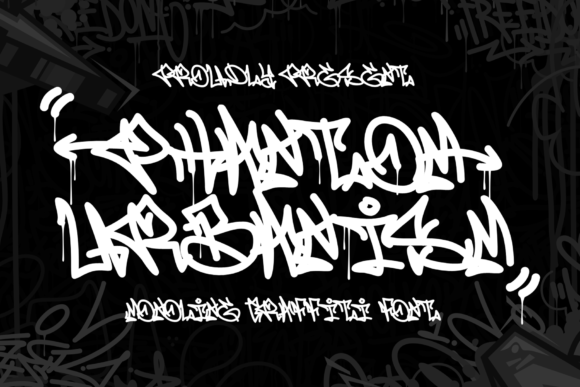
In the rapidly evolving landscape of graphic design, typography serves as more than just a vessel for information; it is the primary carrier of tone, attitude, and cultural context. Among the myriad of typefaces available to contemporary creators, Phantom Urbanism has emerged as a distinctive voice. It is not merely a font but a stylistic statement that captures the raw energy of city life. As a monoline display font, it bridges the gap between industrial precision and street-level grit, making it an essential tool for designers working on projects that demand visibility and impact.
The relevance of Phantom Urbanism extends beyond its aesthetic appeal. It reflects a broader shift in how brands and individuals communicate visually. In an era dominated by digital noise, standing out requires more than just clarity; it requires personality. This typeface offers a solution for those looking to infuse their work with an edgy, bold appearance that resonates with modern audiences. Whether applied to streetwear labels, motorsport decals, or urban branding, Phantom Urbanism brings a necessary dose of energy and attitude to the visual narrative.
The Rise of Monoline Typography in Urban Culture
To understand the power of Phantom Urbanism, one must first appreciate the role of monoline typography in contemporary design. Monoline fonts, characterized by strokes of uniform width, have long been associated with signage, technical drawings, and industrial labeling. However, in recent years, this structural simplicity has been reinterpreted through the lens of street culture. The clean, unadorned lines provide a canvas for boldness, allowing the shape of the letters themselves to command attention without the distraction of varying stroke weights or serif details.
This trend aligns with the modern preference for minimalism coupled with high impact. Consumers and viewers today are accustomed to processing information quickly. A font like Phantom Urbanism cuts through the clutter. Its geometric foundation ensures legibility even at a distance or when viewed briefly, such on a passing vehicle or a scrolling social media feed. Yet, unlike sterile corporate sans-serifs, it retains a human touch—an "urban" quality that suggests movement, spontaneity, and authenticity.
The evolution of this style mirrors changes in urban architecture and fashion. Just as brutalist architecture celebrates raw concrete and functional forms, and streetwear embraces oversized silhouettes and graphic prints, Phantom Urbanism celebrates the raw structure of letterforms. It is a typographic reflection of the city itself: structured yet chaotic, functional yet expressive.
Practical Applications for Creators and Brands
The versatility of Phantom Urbanism makes it suitable for a wide array of professional and creative applications. Its strength lies in its ability to adapt to various mediums while maintaining a consistent brand identity. For entrepreneurs and marketers, understanding where and how to deploy this typeface can significantly enhance brand recognition and engagement.
- Streetwear and Apparel: In the fashion industry, particularly within the streetwear sector, typography is often the central design element. Phantom Urbanism works exceptionally well on t-shirts, hoodies, and caps. Its bold lines ensure that logos remain visible and impactful, whether printed on fabric or embroidered. The font’s inherent attitude aligns perfectly with the rebellious spirit of street culture.
- Motorsport and Automotive Decals: Speed and performance are key themes in motorsport branding. The streamlined nature of a monoline font like Phantom Urbanism evokes a sense of aerodynamics and precision. It is an ideal choice for car decals, helmet designs, and team liveries, where readability at high speeds is crucial. The font’s edgy appearance adds a layer of aggression and competitiveness that appeals to racing enthusiasts.
- Skateboard and Action Sports Graphics: Skate culture has always been intertwined with graphic design. From deck art to event posters, the visual language of skateboarding is bold and unconventional. Phantom Urbanism provides a strong foundation for these designs, offering a modern twist on classic skate typography. Its PUA-encoded glyphs allow designers to add unique swashes and alternates, creating custom looks that stand out in a crowded market.
- Urban Branding and Logos: For businesses operating in urban environments—such as coffee shops, gyms, barbershops, and tech startups—a logo needs to convey both professionalism and approachability. Phantom Urbanism strikes this balance. It is strong enough to establish authority but stylish enough to feel contemporary and relevant. It works particularly well for brands that want to project an image of innovation and forward-thinking.
Technical Advantages: The Importance of PUA Encoding
For professional designers, the technical specifications of a font are just as important as its visual appearance. One of the standout features of Phantom Urbanism is its PUA (Private Use Area) encoding. This technical detail has significant practical implications for workflow efficiency and creative flexibility.
PUA encoding allows access to special glyphs, ligatures, and swashes that are not part of the standard Unicode character set. In practical terms, this means designers can easily insert alternative letterforms and decorative elements directly from their design software without needing to use complex workaround scripts or manual glyph insertion methods. This ease of access streamlines the design process, allowing for rapid iteration and experimentation.
For example, when creating a logo for a streetwear brand, a designer might want to customize the connection between specific letters to create a unique monogram. With PUA encoding, these alternate glyphs are readily available, enabling the designer to test different combinations quickly. This feature is particularly valuable for freelancers and agencies working under tight deadlines, as it reduces the time spent on technical adjustments and increases the time available for creative exploration.
Moreover, PUA encoding ensures compatibility across different platforms and software. Whether using Adobe Illustrator, Photoshop, or other design tools, the special characters remain accessible and consistent. This reliability is crucial for maintaining brand integrity across various media, from digital screens to printed materials.
Aligning with Modern User Expectations and Market Trends
The growing popularity of fonts like Phantom Urbanism is not an isolated phenomenon; it is part of a larger shift in consumer expectations. Today’s audiences, particularly those in the 20–50 age demographic, value authenticity and transparency. They are drawn to brands that feel genuine and connected to real-world cultures. Typography plays a pivotal role in conveying this authenticity.
A polished, overly refined typeface can sometimes feel distant or corporate. In contrast, a font with an edgy, bold appearance like Phantom Urbanism feels grounded and relatable. It speaks the language of the street, which is increasingly becoming the language of mainstream culture. By adopting this typographic style, businesses and creators can signal that they are in tune with current cultural currents.
Furthermore, the rise of digital-first marketing has changed how typography is consumed. Designs are often viewed on small screens, where detail can be lost. Bold, monoline fonts perform well in these contexts because their simple structures remain clear even at smaller sizes. This functionality makes Phantom Urbanism a smart choice for social media graphics, mobile app interfaces, and website headers.
However, it is important to use such a distinctive font with restraint. Because Phantom Urbanism is a display font, it is best suited for headlines, logos, and short phrases rather than body text. Overusing it can lead to visual fatigue and reduce readability. The key is to pair it with complementary, neutral typefaces for longer content, creating a hierarchy that guides the viewer’s eye effectively.
Future-Proofing Your Design Toolkit
As design trends continue to evolve, having a versatile and robust typeface in your toolkit is essential. Phantom Urbanism offers a timeless quality due to its foundational geometric structure. While specific stylistic flourishes may come and go, the core appeal of bold, monoline typography remains constant. It is a font that can adapt to future trends while maintaining its distinct identity.
For educators and students, studying fonts like Phantom Urbanism provides insight into the relationship between form and function. It demonstrates how technical features like PUA encoding can enhance creative possibilities and how cultural context influences typographic choices. Understanding these dynamics prepares the next generation of designers to make informed decisions in their professional practice.
In conclusion, Phantom Urbanism is more than just a collection of letters; it is a design resource that empowers creators to express energy, attitude, and urban sophistication. Its relevance lies in its ability to meet the demands of modern visual communication—boldness, clarity, and authenticity. By integrating this font into their projects, designers, marketers, and business owners can create impactful visuals that resonate with contemporary audiences. Whether you are designing a new logo, launching a streetwear line, or updating your brand identity, Phantom Urbanism offers the tools you need to make a lasting impression.