Sketch Groovy: A Playful Display Font for Creative Projects
There is a distinct moment in the design process when a project feels technically correct but emotionally flat. The alignment is perfect, the colors are on brand, and the hierarchy is logical, yet something is missing. Often, that missing element is personality. This is where Sketch Groovy enters the conversation. It is not just another addition to your library of digital assets; it is a deliberate stylistic choice that injects warmth, nostalgia, and approachability into visual communication. As a cute and friendly display font, it bridges the gap between professional polish and handcrafted charm, making it an invaluable tool for creators who want their work to feel human.
The Visual Personality of Hand-Drawn Typography
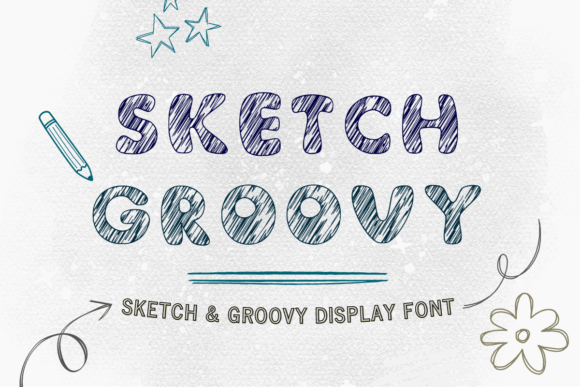
To understand why this typeface works, we must first look at its anatomy. Sketch Groovy is characterized by its irregular stroke widths, rounded terminals, and a baseline that dances slightly rather than marching in a rigid line. These features mimic the natural imperfections of a marker or pen held by a steady but relaxed hand. Unlike a sterile sans serif font that prioritizes neutrality, or a formal serif font that conveys tradition, this handwritten font speaks directly to the viewer’s sense of playfulness.
The "groovy" aspect of its name is not accidental. It evokes the retro aesthetics of the 1970s, where curves were generous and typography was often used as illustration. However, it avoids the heavy, dense feel of vintage revival fonts. Instead, it maintains a lightness that makes it versatile for modern applications. When you use this creative font, you are signaling to your audience that the content is accessible, safe, and enjoyable. It lowers barriers. In a world saturated with high-gloss, corporate imagery, the doodle-like quality of Sketch Groovy stands out because it feels authentic.
Ideal Applications Across Industries
The versatility of Sketch Groovy lies in its ability to adapt to various mediums while retaining its core identity. It is particularly effective in sectors where trust and friendliness are paramount. Consider the following real-world applications:
- Educational Resources: For teachers and curriculum developers, creating classroom materials that engage young learners is a constant challenge. Textbooks and worksheets filled with rigid typography can feel intimidating. Using Sketch Groovy for headers, instructions, or motivational quotes transforms these documents into inviting spaces. It reduces cognitive load by making the material feel less like a test and more like an activity.
- Children’s Publishing: In children’s books, the typography is part of the storytelling. This font pairs beautifully with whimsical illustrations, helping to set a tone of adventure and safety. It works well for title pages, chapter headings, or even speech bubbles within graphic novels for younger audiences.
- Apparel and Merchandise: T-shirt designs thrive on brevity and impact. A phrase like "Stay Cool" or "Good Vibes" rendered in Sketch Groovy instantly communicates a laid-back attitude. It is ideal for boutique clothing lines, nursery decor, and personalized gifts where the emotional connection is the selling point.
- Greeting Cards and Stationery: Whether for birthdays, holidays, or thank-you notes, the medium demands a personal touch. Digital cards often fail because they look mass-produced. Incorporating this display font adds the illusion of a handwritten note, enhancing the perceived value and sincerity of the message.
Strategic Integration into Brand Identity
For entrepreneurs and brand strategists, the choice of typography is a critical component of brand identity. Sketch Groovy is not suitable for every brand. A law firm or a financial institution might find it too informal. However, for businesses in the lifestyle, wellness, pet care, or creative industries, it can be a powerful differentiator. It helps establish a brand voice that is conversational rather than authoritative.
When integrating this font into your logo design or marketing collateral, consider the concept of visual hierarchy. Because Sketch Groovy is a display font, it is designed to be seen at larger sizes. Using it for body text in a long-form article would compromise readability. Instead, use it for headlines, pull quotes, or call-to-action buttons. This creates a clear distinction between the "voice" of the brand (the headline) and the "information" (the body text).
Consistency is key to professionalism. If you choose Sketch Groovy for your social media graphics, ensure it is used consistently across all platforms. This repetition builds recognition. Over time, your audience will associate that specific playful style with your brand, creating a subconscious link between the visual aesthetic and the values you represent. This is the essence of effective packaging design and web design: using visual cues to guide user expectation and experience.
Mastering Font Pairings for Maximum Impact
One of the most common mistakes designers make is pairing two decorative fonts. Since Sketch Groovy has strong personality and irregular shapes, it needs a stable partner. The best approach is to pair it with a clean, neutral sans serif font or a classic serif font.
For example, if you are designing a poster for a local farmers' market, you might use Sketch Groovy for the main title to evoke a rustic, handmade feel. For the details—dates, times, and vendor lists—you would use a simple geometric sans serif. This contrast ensures that the information is easy to scan while the headline captures attention. Alternatively, pairing it with a traditional serif can create an interesting tension between the old and the new, suitable for editorial design that aims to be both sophisticated and approachable.
When testing these pairings, always view them in context. A combination that looks good in isolation may fail when applied to a small mobile screen or a large banner. Adjust tracking and leading to ensure the two typefaces breathe together without competing for space.
Practical Considerations for Designers and Creators
Before committing to any premium font, it is essential to evaluate its technical and legal specifications. Sketch Groovy is a commercial font, which means it is licensed for use in projects that generate revenue. This is crucial for small business owners and freelancers. Always review the license agreement to understand the scope of usage. Can it be used for web embedding? Is it cleared for merchandise sales? Understanding these boundaries protects your business from legal issues down the line.
From a technical standpoint, consider the readability constraints. While the font is charming, its doodle-like nature means that complex words or long sentences can become difficult to decipher. Keep headlines short and punchy. Avoid using all caps unless the specific weight and spacing allow for it, as uppercase letters in handwritten styles can sometimes lose their distinct shapes.
Furthermore, think about the color palette. Sketch Groovy shines when paired with vibrant, warm colors that complement its energetic vibe. Pastels, earth tones, or bold primaries can all work, depending on the desired mood. Avoid placing it over busy backgrounds where the irregular strokes might get lost. High contrast is your friend here.
Ultimately, Sketch Groovy is more than just a set of characters; it is a design asset that facilitates connection. Whether you are a blogger looking to add flair to your headers, a marketer crafting a campaign for a family-oriented product, or a crafter making custom labels, this font offers a reliable way to infuse your work with joy. By understanding its strengths and limitations, you can leverage its groovy style to create memorable, engaging, and effective designs that resonate with your audience on a human level.