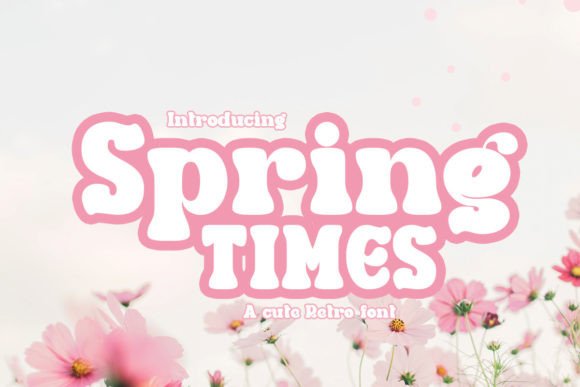
Spring Times: A Playful Retro Display Font
There is a distinct joy in typography that feels less like rigid structure and more like a friendly wave. Spring Times captures this sentiment perfectly. As a cute, retro-style display font, it brings a sense of nostalgia mixed with modern whimsy to any project it touches. Its chunky and playful characters are not just decorative; they serve as powerful tools for communication, helping designers and creators establish an immediate emotional connection with their audience. Whether you are a seasoned graphic designer or a small business owner looking to refresh your brand identity, understanding the unique appeal of this typeface can open up new avenues for creative expression.
The Charm of Chunky, Retro Letterforms
The visual language of Spring Times is defined by its boldness and approachability. Unlike thin, serif fonts that might convey seriousness or traditional elegance, this font leans into a heavier weight and rounded edges. This "chunky" aesthetic creates a sense of stability and warmth. It feels substantial, yet soft enough to be inviting. The retro influence is subtle but effective, recalling the hand-painted signs of mid-century shops or the playful headers of vintage storybooks. This combination makes it an excellent choice for projects that need to stand out without appearing aggressive or overly corporate.
One of the key characteristics of this font is its whimsical vibe. The letters often have slight irregularities or quirky proportions that prevent them from feeling mechanical. This human touch is crucial in today’s digital landscape, where audiences are increasingly drawn to authenticity and personality. When you use Spring Times, you are signaling to your viewers that your content is friendly, accessible, and perhaps a bit fun-loving. It breaks the ice, making complex information feel lighter and more digestible.
Practical Applications for Creators and Businesses
Because Spring Times is a display font, it shines brightest when used at larger sizes. It is not designed for long paragraphs of body text, but rather for headlines, titles, and short bursts of information. Here are several contexts where this typeface can add significant value:
- Branding and Logos: For businesses in the lifestyle, food, or children’s sectors, this font can form the backbone of a memorable logo. Its unique shapes ensure high recognizability.
- Packaging Design: Imagine a jar of homemade jam or a box of artisanal cookies. Using Spring Times on the label instantly communicates a handmade, care-filled product.
- Social Media Graphics: In the scroll-heavy world of Instagram and Pinterest, eye-catching text is essential. This font’s bold nature ensures your message is read even at a glance.
- Educational Materials: Teachers and educators can use it to make worksheets, posters, and presentation slides more engaging for students. The playful style reduces anxiety and makes learning feel like play.
- Event Invitations: From birthday parties to spring festivals, the font sets a celebratory and welcoming tone right from the envelope.
For entrepreneurs and marketers, the goal is often to differentiate from competitors. Many brands rely on safe, minimalist sans-serifs. By choosing a character-rich option like Spring Times, you create a visual hook that distinguishes your voice in a crowded market. It suggests that your brand has personality and does not take itself too seriously, which can be a refreshing change for consumers.
Designing with Whimsy: Tips for Best Results
While Spring Times is incredibly versatile, using it effectively requires a bit of design intuition. Because the characters are chunky and detailed, they need space to breathe. Cramming them into tight spaces can reduce legibility and diminish their impact. Here are some practical observations to help you get the most out of this typeface:
- Pairing with Simplicity: Since the headline font is busy and expressive, pair it with a clean, simple sans-serif for body text. This contrast creates a balanced hierarchy, guiding the reader’s eye naturally from the catchy title to the detailed content.
- Color Choices: Retro styles often benefit from warm, muted palettes or vibrant pastels. Consider using mustard yellows, teal blues, or coral pinks to enhance the nostalgic feel. However, high-contrast combinations like black on white also work well if you want a bolder, more modern retro look.
- Whitespace is Key: Do not fear empty space. Let the playful letters stand out against a clean background. This emphasizes the unique shapes of each character and prevents the design from feeling cluttered.
- Limit Your Usage: Use Spring Times for emphasis. If everything is loud, nothing is. Reserve it for headings, pull quotes, or call-to-action buttons to maintain its special status within your design.
Beginners often make the mistake of using display fonts for long sentences. Remember, the intricate details that make Spring Times charming at 48 points can become muddy and hard to read at 12 points. Keep it big, keep it bold, and let it do the heavy lifting of grabbing attention.
Why This Font Resonates with Modern Audiences
In an era dominated by sleek, digital perfection, there is a growing hunger for imperfection and humanity. Spring Times taps into this desire. It feels crafted, not just generated. For hobbyists and freelancers, this means their work can compete with larger agencies by offering a personal touch that algorithms cannot replicate. The font acts as a bridge between the creator and the viewer, fostering a sense of community and shared joy.
Moreover, the retro trend shows no signs of fading. Nostalgia is a powerful marketing tool because it evokes positive emotions and memories. By utilizing a font that echoes the past while feeling fresh, you align your project with a broader cultural movement. It appeals to adults aged 20–50 who appreciate vintage aesthetics but demand modern functionality. Whether you are designing a website for a local bakery or creating a YouTube thumbnail for a craft tutorial, the emotional resonance of this font can increase engagement and retention.
Considerations Before You Start
Before committing to Spring Times for a major project, consider the tone you wish to convey. If your brand is strictly corporate, legal, or medical, this whimsical style might undermine your authority. It is best suited for industries that value creativity, warmth, and approachability. Always test your designs on multiple devices. What looks playful on a desktop monitor should still remain clear and legible on a mobile screen.
Additionally, think about your target audience. While generally appealing, extremely playful fonts may not resonate with demographics seeking ultra-minimalist or high-luxury cues. Know your viewer. If they value fun, accessibility, and charm, then Spring Times is likely an ideal match. By aligning the font’s personality with your audience’s expectations, you ensure that your design choices support your overall goals rather than distracting from them.
Ultimately, Spring Times is more than just a set of letters; it is a design asset that injects life into static pages. Its ability to transform ordinary text into something delightful makes it a valuable addition to any creative toolkit. By understanding its strengths and applying it with intention, you can create designs that are not only seen but felt.