Digital Glitch: Distorted Style for Modern Design
In an era where digital perfection is the default, imperfection has become a powerful aesthetic tool. The Digital Glitch style captures the raw energy of corrupted data, signal interference, and technological decay, transforming what was once considered an error into a deliberate design statement. For creators, marketers, and entrepreneurs, this aesthetic offers more than just a visual trend; it provides a language to communicate disruption, urgency, and modernity. Whether you are designing a poster for an underground music festival or crafting a bold header for a tech startup, understanding how to leverage this distorted look can elevate your work from standard to striking.
The Appeal of Controlled Chaos
The core attraction of the Digital Glitch aesthetic lies in its ability to break monotony. In a saturated media landscape, clean lines and perfect symmetry often blend into the background. A glitch effect, by contrast, demands attention. It suggests movement, instability, and a break from the norm. This makes it particularly effective for industries that thrive on innovation and edge, such as gaming, electronic music, and contemporary fashion.
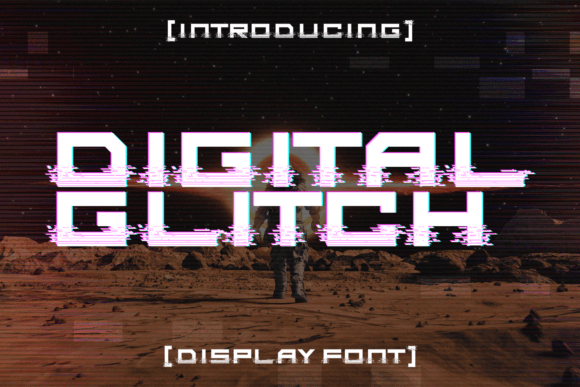
However, using glitch elements requires a delicate balance. The goal is not to create unreadable noise but to introduce enough visual friction to engage the viewer without sacrificing clarity. This is where specialized tools like the Digital Glitch Font become invaluable. Unlike applying random filter effects in post-production, a dedicated font provides a consistent structural base. It features uppercase letters, numbers, and symbols that are pre-distorted, ensuring that your typography remains legible while still carrying that signature fractured look. This consistency is crucial for branding, where recognition depends on repeatable visual cues.
Practical Applications Across Industries
The versatility of this style allows it to adapt to various mediums and goals. Here is how different professionals can integrate these concepts into their workflows:
- Gaming and Esports: The gaming community has long embraced glitch art as a reflection of the digital environment itself. Use distorted typography for tournament banners, team logos, or stream overlays. The aggressive, fragmented nature of the font mirrors the high-speed, competitive intensity of esports.
- Music and Entertainment: For album covers, concert posters, and promotional materials, especially in genres like techno, industrial, or hip-hop, this aesthetic conveys raw energy. It suggests a sound that is unpolished, authentic, and loud.
- Fashion and Retail: Streetwear brands often utilize glitch motifs to appeal to a younger, digitally native audience. Printing these designs on t-shirts, hoodies, or packaging creates a sense of exclusivity and counter-culture cool.
- Tech and Startups: While traditional tech branding leans toward minimalism, cybersecurity firms or AI developers might use subtle glitch elements to visualize complex data streams or the concept of "breaking the code." It signals technical proficiency and a forward-thinking mindset.
Design Strategies for Maximum Impact
To ensure your use of Digital Glitch remains professional and effective, consider these practical design principles. The key is intentionality. Every distorted element should serve a purpose, guiding the eye or reinforcing the message.
Prioritize Legibility
The most common mistake when using distorted fonts is sacrificing readability for style. If your audience cannot decipher the message within seconds, the design fails. To avoid this, reserve the heaviest glitch effects for headlines or short phrases. For body text or secondary information, stick to clean, sans-serif fonts that provide a visual rest. This contrast not only improves readability but also makes the glitch elements pop more effectively.
Use Color to Enhance Depth
Glitch art often relies on chromatic aberration—the separation of red, green, and blue channels—to simulate a 3D or misaligned screen effect. When using the Digital Glitch Font, experiment with layering colors. Offset a cyan layer slightly to the left and a magenta layer to the right behind your main black or white text. This simple technique adds depth and vibrancy, making the text appear as if it is vibrating or shifting. However, keep your palette limited. Using too many neon colors can overwhelm the viewer. Stick to two or three accent colors against a neutral background for a sophisticated look.
Contextual Harmony
Ensure the glitch aesthetic aligns with your brand’s voice. A law firm or a healthcare provider might find this style too aggressive, whereas a creative agency or a music label would find it fitting. Ask yourself: Does this visual disruption support the story I am telling? If the answer is yes, proceed. If not, consider toning down the effect or reserving it for specific campaigns rather than your core identity.
Creative Project Ideas to Spark Inspiration
If you are looking for ways to start experimenting, here are a few concrete project ideas that leverage the strengths of this style:
- Event Poster Series: Create a series of posters for a fictional film festival or music event. Use the Digital Glitch Font for the titles, varying the intensity of the distortion based on the genre of the film or music. Horror films could have heavier, darker glitches, while comedies might feature lighter, more colorful shifts.
- Social Media Headers: Update your LinkedIn or Twitter banner with a subtle glitch effect on your name or tagline. This small touch can differentiate your profile in a sea of corporate headshots and stock photos, signaling creativity and modern thinking.
- Merchandise Design: Design a limited-edition t-shirt line. Place a large, centered glitched word or phrase on the chest. Keep the rest of the shirt minimal to let the typography stand out. This approach works well for online stores looking to create buzz around new drops.
- Digital Presentations: For pitch decks or educational slides, use glitch transitions between sections. It keeps the audience engaged and adds a dynamic feel to otherwise static information. Just ensure the text on the slides remains clear and easy to read.
Maintaining Consistency and Quality
When incorporating Digital Glitch into your workflow, organization is key. Because this style involves complex visual layers, it can become messy quickly. Keep your design files well-layered and labeled. Save versions with different levels of distortion so you can test which works best across various platforms. What looks great on a large monitor might lose detail on a mobile screen. Always preview your designs on multiple devices to ensure the effect translates well.
Furthermore, remember that trends evolve. While glitch art has remained relevant for years, its application changes. Today, it is less about random noise and more about structured distortion. By using a premium font like Digital Glitch Font, you are investing in a tool that offers a refined, contemporary take on the aesthetic. It provides the raw material for creativity while maintaining the professional standards required for commercial use.
Ultimately, the power of this style lies in its ability to disrupt expectations. It invites the viewer to look closer, to question the surface, and to engage with the content on a deeper level. Whether you are a seasoned designer or a small business owner looking to refresh your brand, experimenting with these distorted forms can open up new avenues for expression. Embrace the imperfection, control the chaos, and let your designs speak with a voice that is distinctly modern.