Former Beach: Mastering the 3D Display Aesthetic Without Losing Readability
In the crowded landscape of digital design, capturing attention within seconds is no longer a luxury—it is a necessity. This is where display typography plays a pivotal role. Former Beach emerges as a compelling solution for designers seeking to inject energy and dimensionality into their projects. As a cool 3D display font, it brings an unmistakable beachy vibe that resonates with summer campaigns, lifestyle branding, and creative headlines. However, the allure of its playful shapes and three-dimensional style can sometimes lead creators astray if not handled with precision. Understanding how to leverage this typeface effectively requires more than just downloading the file; it demands a strategic approach to hierarchy, contrast, and context.
Understanding the Core Appeal of Former Beach
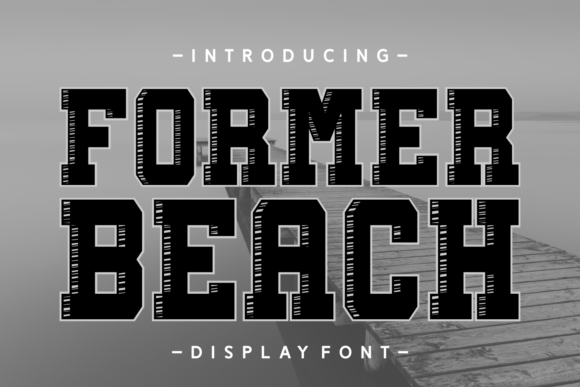
At its heart, Former Beach is designed to evoke feelings of relaxation, fun, and dynamic movement. The font’s structural integrity relies on its bold, extruded letters that pop off the screen or page. This makes it an ideal candidate for eye-catching titles, posters, social media graphics, or any design asset that needs a splash of creativity. When used correctly, it allows you to dive into design with a fresh and energetic look that feels both modern and nostalgic.
The primary reason professionals and hobbyists alike are drawn to this typeface is its ability to communicate tone instantly. Unlike neutral sans-serifs that require supporting imagery to convey mood, Former Beach carries its personality in every glyph. It suggests leisure, warmth, and approachability. For entrepreneurs and marketers targeting younger demographics or promoting lifestyle products, this semantic association can significantly boost engagement rates. However, this strong personality is a double-edged sword. Because the font is so distinctive, it leaves little room for error in application.
Common Pitfalls in Using 3D Display Fonts
One of the most frequent mistakes designers make when working with Former Beach is overusing it. It is tempting to apply this vibrant style to body text, subheadings, and captions in an effort to maintain a consistent theme. This is a critical error. Display fonts are engineered for large sizes and short bursts of text. When scaled down for paragraphs or lengthy descriptions, the intricate 3D details become visual noise, drastically reducing readability and causing eye strain for the viewer.
Another common misunderstanding involves color selection. The three-dimensional effect of Former Beach relies heavily on light and shadow simulation. Placing the font against a busy background or using low-contrast color combinations can flatten the 3D illusion, rendering the text dull and difficult to decipher. Many beginners overlook the importance of negative space, cramming the bold letters too close together or against other graphic elements. This clutter negates the "cool" factor and results in a chaotic, unprofessional presentation.
Furthermore, there is often a lack of consideration for brand alignment. While the beachy vibe is versatile, it is not universal. Applying Former Beach to a corporate financial report or a somber legal document creates cognitive dissonance. The playful nature of the font clashes with the serious intent of the content, undermining the credibility of the communication. Designers must evaluate whether the emotional tone of the typeface matches the message they are trying to convey.
Strategic Application for Maximum Impact
To avoid these pitfalls, adopt a strategy of restraint and pairing. Use Former Beach exclusively for headlines, hero sections, or call-to-action buttons where the text is brief and impactful. For body copy, pair it with a clean, highly legible sans-serif or serif font. This contrast creates a balanced visual hierarchy, allowing the display font to shine as the star while ensuring the informational content remains accessible. For example, a travel blog might use Former Beach for the article title "Summer Escapes," while using a simple geometric sans-serif for the actual travel tips.
When considering color and background, prioritize clarity. Solid, contrasting backgrounds work best to highlight the 3D depth of the letters. If you must use an image background, ensure there is sufficient separation between the text and the underlying photo, perhaps by using a semi-transparent overlay or a drop shadow. Testing your design at various sizes is also crucial. What looks dynamic on a desktop monitor may appear muddy on a mobile device. Always preview your work on multiple screens to ensure the playful shapes remain distinct and the dynamic touch is preserved across all platforms.
Evaluating Quality and Licensing Before Download
Before integrating Former Beach into your workflow, take a moment to verify the technical quality and licensing terms. Not all font files are created equal. Check for proper kerning pairs and consistent stroke weights. Poorly constructed fonts can have uneven spacing that requires manual adjustment, eating into your production time and efficiency. A high-quality version of Former Beach will have optimized vectors that scale smoothly without pixelation, ensuring your posters and digital ads look crisp at any resolution.
Licensing is another area where many creators stumble. Ensure you have the appropriate rights for your intended use. Personal projects often have different requirements than commercial campaigns. If you are designing for a client or selling products with the font embedded in the design, confirm that your license covers commercial usage. Ignoring these details can lead to legal complications and unexpected costs down the line. Reputable sources will provide clear documentation regarding web embedding, print usage, and app integration.
Final Thoughts on Elevating Your Design
Incorporating Former Beach into your design toolkit can significantly enhance the visual appeal of your projects, provided you respect its limitations and strengths. By avoiding the trap of overuse, paying attention to contrast and spacing, and ensuring proper licensing, you transform a simple font choice into a strategic design decision. Remember, the goal is to add a fun and dynamic touch without sacrificing usability or professionalism. Whether you are a freelancer creating a poster for a local event or a marketer launching a summer campaign, this 3D display font offers a unique way to connect with your audience. Dive into design with confidence, keeping these practical insights in mind to achieve a fresh, energetic, and polished result.