Grove: Mastering the 70s Display Font for Modern Design
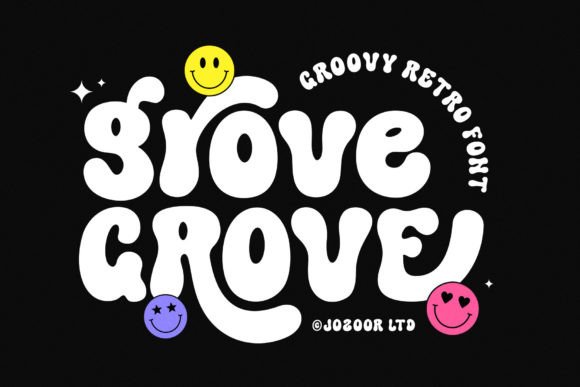
The aesthetic of the 1970s has made a formidable comeback in contemporary graphic design, bringing with it a wave of nostalgia, warmth, and unapologetic personality. At the center of this trend is Grove, a groovy, retro, boho, and fun display font that captures the essence of that era without feeling dated or kitschy. Whether you are crafting digital assets, designing presentation slides, or creating handmade greeting cards, this typeface offers a unique visual voice. However, integrating a distinctive display font like Grove into your workflow requires more than just downloading a file. Many designers, from seasoned professionals to enthusiastic beginners, stumble when applying such stylized typography, often resulting in cluttered layouts or unreadable messaging.
Understanding the Character of Grove
Before diving into application, it is crucial to understand what makes this font special. Grove is not merely a collection of letters; it is a design element that conveys mood. Its thick strokes, rounded terminals, and organic curves evoke a sense of friendliness and approachability. This makes it an exceptional choice for branding projects that aim to feel human-centric and inviting. It shines brightest in contexts where you want to grab attention quickly, such as eye-catching logos, social media headers, or impactful quotes.
Yet, its strength is also its limitation. Because it is a display font, it is designed to be used at larger sizes. A common misunderstanding among novice users is treating Grove like a workhorse text font. When scaled down for body copy, long paragraphs, or fine print, the intricate details that make it charming at large sizes become muddy and illegible. This mistake can severely affect the usability of your design, frustrating readers who struggle to decipher the content. The key is restraint: use Grove for headlines, short phrases, and focal points, while pairing it with a clean, neutral sans-serif or serif font for longer textual content.
Avoiding Common Pitfalls in Typography Pairing
One of the most frequent errors designers make when working with bold, retro typefaces is poor pairing. Because Grove has so much personality, pairing it with another decorative or highly stylized font creates visual chaos. The result is a design that feels noisy and unfocused, diluting the message rather than enhancing it. For instance, combining Grove with a script font that has similar weight and curvature can cause the elements to compete for attention, leading to a lack of hierarchy.
To avoid this, adopt a strategy of contrast. If Grove is the star of the show, let it shine by surrounding it with simplicity. A lightweight, geometric sans-serif provides a modern counterpoint to the retro curves of Grove, creating a balanced composition that feels both nostalgic and current. This approach ensures that your creative ideas come alive without overwhelming the viewer. Remember, effective communication relies on clarity. By keeping supporting text minimal and clean, you guide the reader’s eye naturally to the most important information.
Color and Context: Where Beginners Often Miss the Mark
The 70s aesthetic is synonymous with specific color palettes—mustard yellows, burnt oranges, avocado greens, and earthy browns. While these colors are historically accurate, blindly applying them can make a design feel like a costume rather than a modern interpretation. A subtle mistake many marketers and small business owners make is using these saturated retro colors without considering accessibility and brand identity. High-contrast combinations are essential for readability, especially when using a thick font like Grove.
Consider the background against which you place the font. Grove’s heavy strokes can disappear if placed on a busy pattern or a low-contrast background. For example, using a dark orange Grove logo on a red background may look vibrant in theory but fails in practice due to poor visibility. Instead, test your designs in various lighting conditions and on different devices. Ensure there is sufficient negative space around the letters to let the shape breathe. This attention to detail elevates the perceived quality of your work, whether it is a digital ad or a printed flyer.
Licensing and Usage Rights: A Critical Check
Beyond aesthetics, there is a practical side to using any premium font: licensing. A significant oversight occurs when users download fonts from unofficial sources or assume that a personal license covers commercial use. If you are an entrepreneur, freelancer, or agency creating branding for a client, using Grove without the appropriate commercial license can lead to legal complications and unexpected costs. Always verify the terms of use before incorporating the font into any project that generates revenue or promotes a business.
Check specifically for restrictions on web embedding, app integration, or merchandise production. Some licenses allow for static images but prohibit dynamic web use via CSS. Understanding these boundaries protects your professional reputation and ensures that your creative process remains smooth and compliant. Investing in the correct license is not just a legal formality; it supports the type designers who create these tools, fostering a healthier ecosystem for creative resources.
Maximizing Impact in Digital and Print Media
When applying Grove to different mediums, technical considerations vary. In digital design, such as presentations or social media graphics, screen resolution plays a role in how the font renders. Ensure that your files are exported at high enough resolutions to maintain the crisp edges of the letterforms. Pixelation can ruin the polished look of a retro font, making it appear amateurish. For print materials like greeting cards or posters, pay attention to ink coverage. Thick fonts can sometimes cause ink bleed on lower-quality paper, so choosing the right stock is part of the design decision.
Furthermore, consider the emotional resonance of your project. Grove is inherently fun and relaxed. It may not be the best fit for corporate financial reports or serious medical announcements. Aligning the tone of the font with the intent of the message is vital for effective communication. If your goal is to evoke joy, creativity, or a laid-back vibe, Grove is an ideal candidate. If the context requires strict authority or neutrality, a more traditional typeface might serve you better.
Final Thoughts on Choosing Grove
Incorporating Grove into your design toolkit can significantly enhance the visual appeal of your projects, provided it is used with intention and care. By avoiding common mistakes such as improper scaling, clashing pairings, and inadequate contrast, you can leverage its retro charm to create memorable and effective designs. Always prioritize readability and context, ensuring that the font serves the message rather than distracting from it. Whether you are a hobbyist making crafts or a professional building a brand identity, taking the time to understand the nuances of this display font will help you make informed decisions. Ultimately, the goal is to let your creative ideas flourish, using typography as a powerful ally in storytelling.