Morgalina Vintage: A Practical Guide to Its Retro Serif Style and Design Applications
In the crowded landscape of digital typography, finding a typeface that balances historical charm with modern usability can be a challenge for designers. Morgalina Vintage emerges as a compelling option in this space, offering a bold serif display style that bridges the gap between classic elegance and contemporary flair. For creative professionals working on branding, editorial layouts, or packaging, understanding the specific characteristics of this font is essential before integrating it into a project. This article explores the distinct features of Morgalina Vintage, evaluates its practical applications, and compares its utility against other typographic approaches to help you make an informed design decision.
Understanding the Aesthetic and Technical Structure
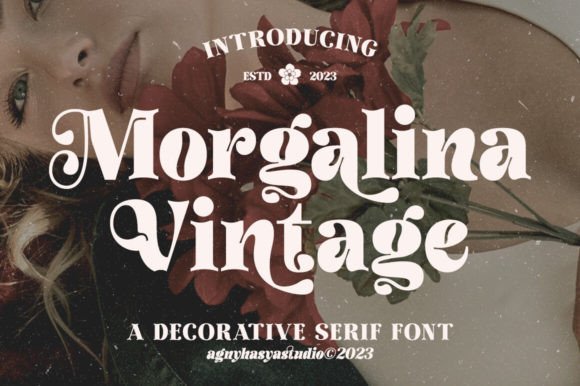
At its core, Morgalina Vintage is defined by its high-contrast serifs and robust letterforms. It exudes a timeless retro style, yet it avoids feeling dated by incorporating clean, modern lines. This duality makes it particularly versatile. The font family includes two primary styles: Regular and Italic. While many display fonts offer only a single weight, the inclusion of an italic variant provides designers with necessary flexibility for emphasis and hierarchy within a layout.
One of the most significant technical advantages of Morgalina Vintage is its PUA (Private Use Area) encoding. For those unfamiliar with typographic terminology, PUA encoding allows users to access special glyphs, ligatures, and stylistic alternatives directly through standard character maps or keyboard shortcuts, without needing complex OpenType feature panels. This ease of access is crucial for efficient workflow, especially when designing intricate logos or detailed illustrations where unique flourishes are required. The font comes complete with slants and ligatures that add a layer of sophistication, allowing for custom connections between letters that can transform standard text into a bespoke graphic element.
Evaluating Fit: When Morgalina Vintage Shines
Selecting the right typeface is less about finding the "best" font and more about finding the right fit for the message. Morgalina Vintage is particularly well-suited for projects that require a strong visual identity with a touch of nostalgia. Its bold nature ensures high visibility, making it an excellent choice for headlines and short-form text.
- Branding and Logos: The distinct serifs and available ligatures allow for the creation of memorable logotypes. Brands in the fashion, artisanal food, or heritage sectors often benefit from this blend of old-world charm and modern clarity.
- Packaging and Labels: Product packaging requires typography that stands out on a shelf. Morgalina Vintage’s bold weight ensures legibility at various sizes, while its decorative elements add perceived value and quality to the product.
- Editorial and Magazine Layouts: For magazine covers or chapter headers, the font provides a striking focal point. However, it is important to note that as a display font, it is best used sparingly rather than for long body text.
- Event Stationery: Wedding invitations and special event materials often call for a romantic or classic aesthetic. The Italic style of Morgalina Vintage, with its elegant slants, works beautifully for names and dates, creating a formal yet inviting tone.
Consider a scenario where a boutique coffee roaster is redesigning its bag labels. Using a generic sans-serif might feel too clinical, while a overly ornate script could be difficult to read. Morgalina Vintage offers a middle ground: it communicates tradition and craftsmanship through its serif structure but remains clear and impactful thanks to its bold weight.
Comparative Analysis: Display Serifs vs. Other Categories
To truly understand the value of Morgalina Vintage, it is helpful to compare it with other common typographic categories. Designers often debate between using modern sans-serifs, traditional serifs, and decorative display fonts.
Contrast with Modern Sans-Serifs: Modern sans-serif fonts are prized for their neutrality and readability in digital interfaces. If your primary goal is maximum legibility on a small mobile screen or a dense data table, a sans-serif is likely the better choice. Morgalina Vintage, being a display serif, carries more personality and visual weight. It demands attention. Therefore, it is not a direct replacement for body copy fonts but rather a complementary tool for headings and accent text.
Contrast with Traditional Serifs: Classic serif fonts like Times New Roman or Garamond are designed for extended reading. They have subtle contrasts and familiar structures. Morgalina Vintage exaggerates these features for artistic effect. The serifs are bolder, and the curves are more pronounced. This makes it less suitable for a 500-word article but far more effective for a book cover title or a fashion concept poster where the typography itself is part of the art.
Contrast with Script Fonts: Script fonts offer elegance and flow but often suffer from readability issues, especially at smaller sizes. Morgalina Vintage provides a similar sense of elegance through its Italic style and ligatures but maintains the structural integrity of a serif font. This makes it a more robust alternative for projects that need a fancy look without sacrificing clarity.
Practical Limitations and Tradeoffs
No typeface is universally perfect, and recognizing the limitations of Morgalina Vintage is key to using it effectively. As a display font, its primary tradeoff is readability in long passages. The intricate details and bold strokes that make it beautiful in headlines can become visually exhausting if used for paragraphs of text. Designers should resist the temptation to use it for body copy in brochures or websites.
Additionally, the retro aesthetic may not align with every brand identity. Tech startups aiming for a futuristic, minimalist look might find the vintage vibes of Morgalina Vintage conflicting with their brand values. Similarly, highly corporate or legal documents typically require neutral, authoritative typefaces that do not distract from the content. In these contexts, a more subdued serif or sans-serif would be a more appropriate choice.
Another consideration is the learning curve associated with utilizing PUA-encoded glyphs. While PUA encoding simplifies access compared to some complex OpenType features, users still need to know how to insert special characters. Designers who are not familiar with character maps or alternate glyph insertion may initially underutilize the font’s full potential. Investing time to learn these technical aspects is necessary to unlock the true creative value of the typeface.
Decision Factors for Designers
When evaluating whether Morgalina Vintage is the right resource for your next project, consider the following decision factors:
- Project Scope: Is the text short and impactful (headline, logo, label) or long and informational (article, report)? Morgalina Vintage excels in the former.
- Brand Personality: Does the brand value tradition, craftsmanship, elegance, or boldness? If yes, this font aligns well. If the brand is strictly utilitarian or futuristic, look elsewhere.
- Medium: Will the design be printed or digital? The font works well in both, but print media often benefits more from the tactile feel of serif details. On screens, ensure adequate sizing to maintain legibility.
- Budget and Licensing: Always verify the licensing terms for commercial use. Ensure that the intended application, such as product packaging or web embedding, is covered by the license.
Ultimately, Morgalina Vintage is a powerful tool in a designer’s arsenal. It offers a unique blend of retro style and modern functionality, supported by technical features like PUA encoding that enhance usability. By understanding its strengths in display contexts and respecting its limitations in body text, designers can leverage this font to create captivating and memorable visuals. Whether you are crafting a wedding invitation, designing a product label, or developing a new brand identity, Morgalina Vintage provides the stylistic flair needed to stand out in a competitive visual landscape.
For those exploring alternatives, it is always wise to test Morgalina Vintage alongside other serif display options. Compare how its ligatures interact with your specific copy and how its weight balances with your chosen body font. This comparative approach ensures that the final typographic choice supports the overall design goals rather than overpowering them. With careful application, Morgalina Vintage can elevate a design from functional to exceptional.