Curly Valentine: A Practical Guide to Using This Unique Display Font in Design Projects
Typography plays a pivotal role in visual communication, often setting the emotional tone before a viewer reads a single word. Among the vast array of typefaces available today, Curly Valentine stands out as a distinctive display font designed to evoke warmth, elegance, and playfulness. For designers, marketers, and creative hobbyists, selecting the right typeface is not merely an aesthetic choice but a strategic decision that impacts readability, brand perception, and user engagement. This article explores the characteristics of Curly Valentine, evaluates its suitability for various design contexts, and compares it with other typographic styles to help you make an informed decision.
Understanding the Aesthetic and Technical Features
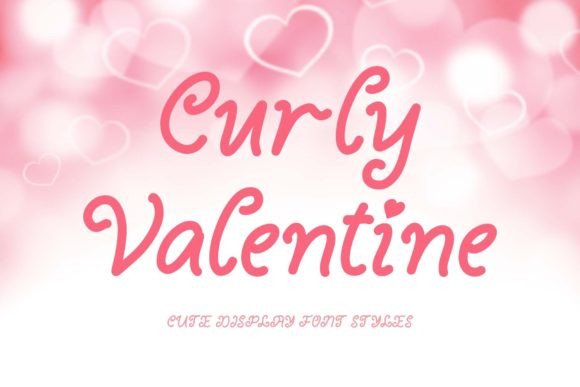
Curly Valentine is classified as a display font, meaning it is optimized for use at larger sizes rather than for long blocks of body text. Its defining characteristic is its fluid, hand-drawn appearance, which mimics the natural variation of cursive handwriting while maintaining structural consistency. The font includes a comprehensive set of uppercase and lowercase letters, numerals, and punctuation marks, ensuring versatility across different design needs. Additionally, its multilingual support makes it accessible for international projects, allowing designers to maintain a consistent visual identity across various languages.
The "curly" aspect of the name refers to the decorative swashes and loops integrated into the letterforms. These elements add a layer of sophistication and whimsy, making the font particularly effective for projects that require a personal or romantic touch. Unlike rigid geometric sans-serifs or traditional serifs, Curly Valentine offers a soft, organic feel that can humanize a brand or event invitation. However, this stylistic richness comes with specific technical considerations. Display fonts with intricate details require careful handling regarding spacing and sizing to ensure legibility.
Comparing Curly Valentine with Other Typographic Styles
When evaluating Curly Valentine, it is helpful to compare it with other common font categories to understand its unique position in the design landscape. Here is how it stacks up against typical alternatives:
- Traditional Script Fonts: Classic scripts often prioritize formal elegance and strict adherence to calligraphic rules. While beautiful, they can sometimes feel stiff or overly formal. Curly Valentine, by contrast, offers a more relaxed and modern interpretation of script, blending elegance with approachability. It is less about perfect formality and more about expressive charm.
- Minimalist Sans-Serifs: Sans-serif fonts are prized for their clarity and neutrality, making them ideal for corporate branding and digital interfaces. However, they often lack emotional resonance. Curly Valentine provides the emotional depth and personality that minimalist fonts may miss, making it a better choice for occasions that celebrate human connection, such as weddings or holidays.
- Bold Display Serifs: Bold serifs command attention and convey authority. They are excellent for headlines that need to project strength. Curly Valentine, while eye-catching, conveys gentleness and joy rather than authority. It is better suited for inviting and welcoming messages rather than commanding ones.
Understanding these distinctions helps clarify where Curly Valentine fits best. It is not a universal solution for all typography needs but a specialized tool for specific emotional and aesthetic goals.
Ideal Use Cases and Applications
The versatility of Curly Valentine allows it to shine in a variety of contexts. Its design elements make it particularly well-suited for projects that benefit from a touch of romance, celebration, or seasonal warmth. Below are some of the most effective applications for this font:
- Wedding and Event Invitations: The romantic undertones of Curly Valentine make it a natural fit for wedding stationery, save-the-dates, and rehearsal dinner invites. Its elegant loops complement floral designs and soft color palettes, creating a cohesive and inviting aesthetic.
- Holiday and Seasonal Graphics: Whether for Valentine’s Day, Christmas, or spring promotions, the font’s playful curls align well with festive themes. It works effectively on holiday cards, gift tags, and seasonal banners where a cheerful and warm tone is desired.
- Branding for Lifestyle Businesses: Brands in the beauty, wellness, bakery, or boutique sectors often seek to convey a sense of care and craftsmanship. Curly Valentine can be used in logos, packaging, and social media graphics to reinforce a brand identity that is personal, artisanal, and welcoming.
- Posters and Banners: For short, impactful messages on posters or event banners, the font’s distinct character ensures it captures attention. It is particularly effective when paired with ample white space, allowing the intricate details of the letters to be appreciated.
- Stickers and Gift Labels: The compact nature of stickers and labels benefits from fonts that are visually interesting at small scales. Curly Valentine’s unique shapes make it stand out on product packaging, adding a premium feel to handmade goods or retail items.
Limitations and Considerations for Effective Use
While Curly Valentine offers significant aesthetic benefits, it is essential to recognize its limitations to avoid design pitfalls. As a display font with decorative elements, it is not suitable for body text or long paragraphs. The intricate curls and connections between letters can reduce readability when scaled down or used in dense text blocks. Using it for website content, legal documents, or instructional manuals would likely frustrate readers and hinder communication.
Another consideration is pairing. Because Curly Valentine is visually dominant, it requires careful selection of complementary fonts. Pairing it with another decorative or script font can create visual clutter and confusion. Instead, it is best combined with clean, simple sans-serif or serif fonts that provide contrast and balance. For example, using a neutral sans-serif for subheadings and body text allows Curly Valentine to serve as an accent without overwhelming the design.
Additionally, designers should pay attention to kerning and tracking. Decorative fonts often have default spacing that may need adjustment to ensure optimal visual harmony. Tightening or loosening the space between letters can significantly impact the overall look and readability of the text.
Making the Right Choice for Your Project
Deciding whether to use Curly Valentine depends on the specific goals and context of your project. Ask yourself the following questions to determine if it is the right fit:
- What is the emotional tone? If your project aims to convey warmth, romance, joy, or elegance, Curly Valentine is a strong candidate. If the tone needs to be serious, corporate, or urgent, a more neutral typeface may be appropriate.
- How much text is involved? If you are designing headlines, titles, or short phrases, this font will perform well. For longer passages of text, consider reserving Curly Valentine for accents only and using a more readable font for the bulk of the content.
- Who is the audience? Audiences expecting a personal, handcrafted, or celebratory experience will respond positively to the font’s style. For audiences seeking quick information or functional clarity, simplicity may be preferred.
- What is the medium? Print materials like invitations and posters often showcase decorative fonts better than low-resolution digital screens. Ensure that the final output resolution supports the fine details of the font.
In summary, Curly Valentine is a valuable addition to any designer’s toolkit, offering a blend of elegance and playfulness that is hard to replicate with standard typefaces. By understanding its strengths, recognizing its limitations, and applying it in appropriate contexts, you can leverage its unique qualities to enhance your visual communications. Whether you are designing a wedding invitation, a holiday campaign, or a boutique brand identity, this font provides a distinct voice that can help your message resonate with clarity and charm.